Spring in the Upper Midwest always arrives with a bit of anticipation and a bit of caution. With a little patience and smart prep, you can transform your backyard into a vibrant, thriving space that supports life and produces flowers and food.
🧹 Step 1 — Start with a Thoughtful Cleanup
Before breaking ground or turning soil, take stock of what winter left behind.
- Inspect your landscape: Walk your yard and note broken branches, flattened beds, or winter damage so you can fix structural issues before they affect planting success.
- Clear debris gently: Remove sticks, trash, and broken plant material, but don’t over-clean. Leaving some old stems and leaf litter gives overwintering insects a place to shelter and boosts spring ecosystem health. Experts recommend keeping plant material in native beds through winter, then trimming in early spring just before new growth begins. (arboretum.wisc.edu)
- Wait for soil readiness: Even if snow melts, soil can remain soggy. Working wet soil compacts it, making it harder for roots to grow stronger later, a common Upper Midwest gardening lesson.
🌱 Step 2 — Plan Your Garden with the Season in Mind
The Upper Midwest’s short gardening window means a bit of planning goes a long way.
- Know your frost dates: Many cool-season crops and ornamentals can handle light frost, but tender plants need warmer soil and stable temperatures.
- Prep beds early: Loosen soil, mix in compost or organic matter, and outline bed shapes now so planting feels easier once frost danger has truly passed.
- Choose hardy plants first: While tender annuals may wait until June, early hardy plants like pansies and forsythia can brighten beds even if frost arrives unexpectedly. (Plantisima)
This early prep isn’t just about speed — it’s about setting your garden up to thrive through the ups and downs of spring weather.
🐝 Step 3 — Make Space for Pollinators
Pollinators — bees, butterflies, hummingbirds, wasps, and more — are key to a healthy ecosystem. In the Upper Midwest, supporting them starts with how we treat yards and lawns.
🌼 Try No-Mow May
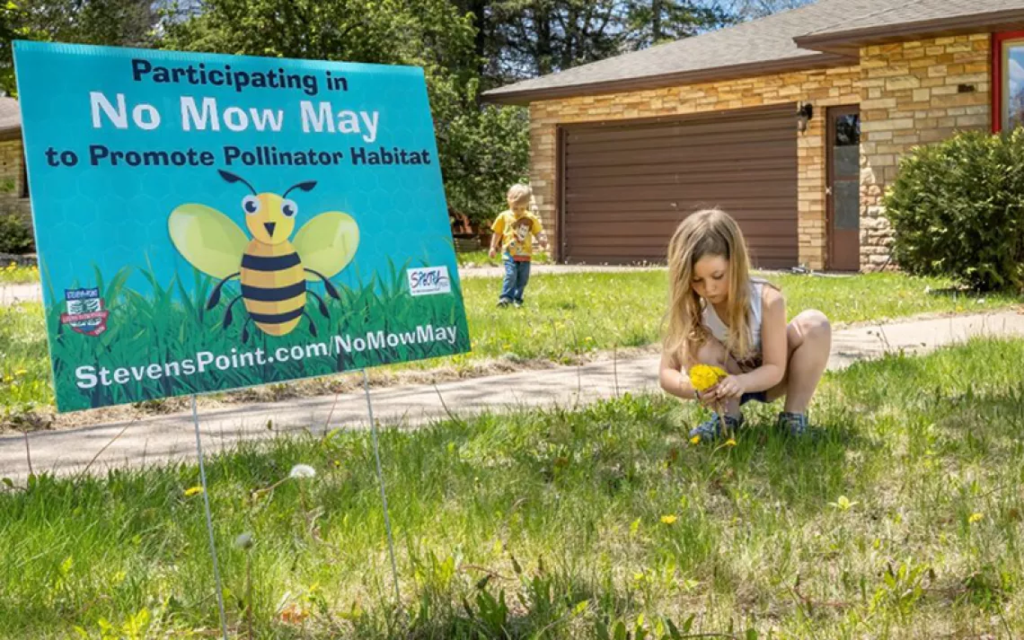
No-Mow May is a campaign that encourages skipping lawn mowing in May to allow early wildflowers like clover and violets to bloom, providing emerging bees and insects with vital food when few flowers are available. (City of Milwaukee)
Participating is simple: delay your first mow, enjoy the blooms, and check local ordinances so you aren’t surprised by lawn bylaws. Many communities, including those in Wisconsin, encourage letting grass grow a bit longer in spring because it can actually increase pollinator species diversity. (villageofshorewood.org)
🌼 Step 4 — Plant Native Flowers and Grasses
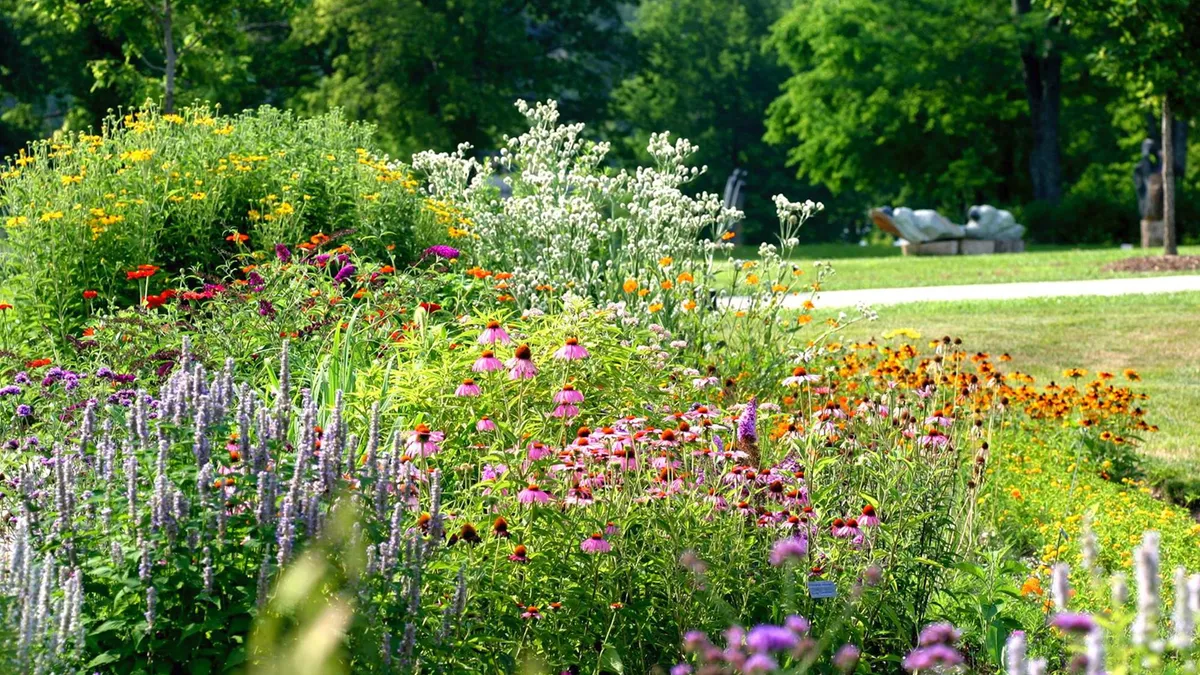
Native plants are stars in Upper Midwest gardens because they evolved with local soils, weather, and wildlife — and pollinators depend on them.
- Choose native species known to support pollinators. Plants such as swamp milkweed, bergamot, asters, and goldenrods offer nectar and pollen throughout the season and are excellent choices in Zone 4–7 gardens. (Epic Gardening)
- Group plantings for visibility. Clusters of the same species make it easier for bees and butterflies to find what they need and travel efficiently through your garden. (Pollinator.org)
- Mix bloom times for continuity. Combine early-, mid-, and late-bloomers so pollinators have food from spring through fall.
Native plantings don’t just benefit insects — they typically require less water and maintenance than non-native ornamentals once established.
🌻 Step 5 — Extra Tips for Spring Success
✔ Soil test and amend: Before planting heavily, send a soil test (often available through your county extension) to see what nutrients are needed.
✔ Mulch after planting: A good organic mulch layer controls weeds and preserves soil moisture during warmer months.
✔ Avoid pesticides: Herbicides and insecticides reduce the very insects you want to support, like pollinators, as well as beneficial bugs that keep pests in balance.
🌷 In Closing — A Garden That Gives Back
Getting your backyard ready for spring in the Upper Midwest isn’t just about pretty beds — it’s about reconnecting with your landscape in a way that works with your climate and supports local life. By pacing your preparation, welcoming pollinators, and choosing native plants that thrive in our soils and weather, you create a garden that’s both beautiful and ecologically vibrant.
Spring here is short and full of surprises. But with a few grounded steps, you’ll be right where you want to be: outside, enjoying a yard buzzing with life. 🌱🐝