Europe’s clean energy transition has long been seen as essential to climate action. The latest shock from the Strait of Hormuz has turned it into something else too: a question of economic security. As tensions around the waterway push up fuel and power prices, the case for faster electrification, grid expansion, and domestic renewable supply is becoming harder to ignore (Reuters; Fortune).
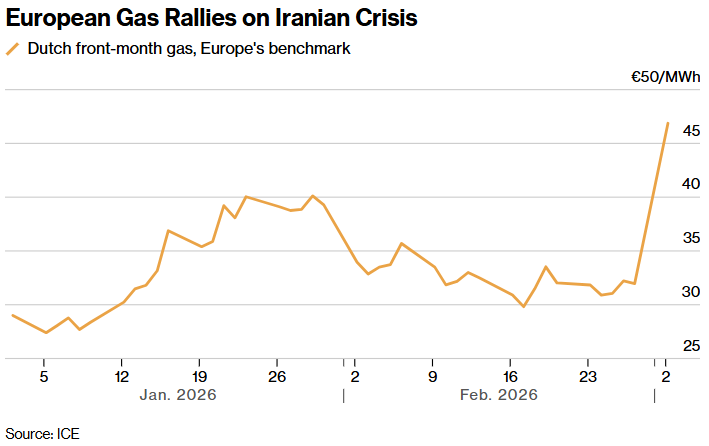
The strain is already showing up in European energy markets. Reuters reported that the Iran conflict has driven up power prices across the continent, underscoring how exposed Europe remains to fossil fuel disruptions that begin far beyond its borders (Reuters).
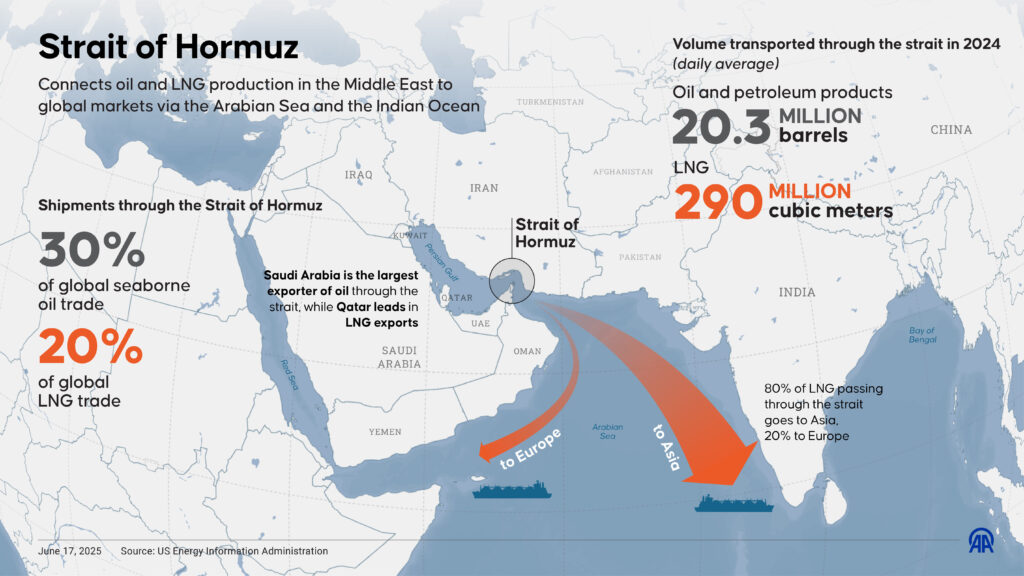
The Strait of Hormuz sits at the center of the problem. Fortune reported that roughly 20 million barrels per day of oil moved through the strait in 2024, equal to about one-fifth of global petroleum liquids consumption, making it one of the world’s most important energy chokepoints (Fortune). When that route is threatened, oil prices can jump quickly, insurance costs rise, shipping slows, and the shock spreads through supply chains well beyond the Gulf (Fortune).
Reuters said the European Commission is weighing measures such as lower electricity taxes and coordinated gas storage refills to soften the blow, a sign that policymakers still need short-term relief while trying to preserve longer-term reform (Reuters). But those steps also show the same old problem. Europe remains vulnerable because it still depends heavily on imported fossil fuels (Reuters).
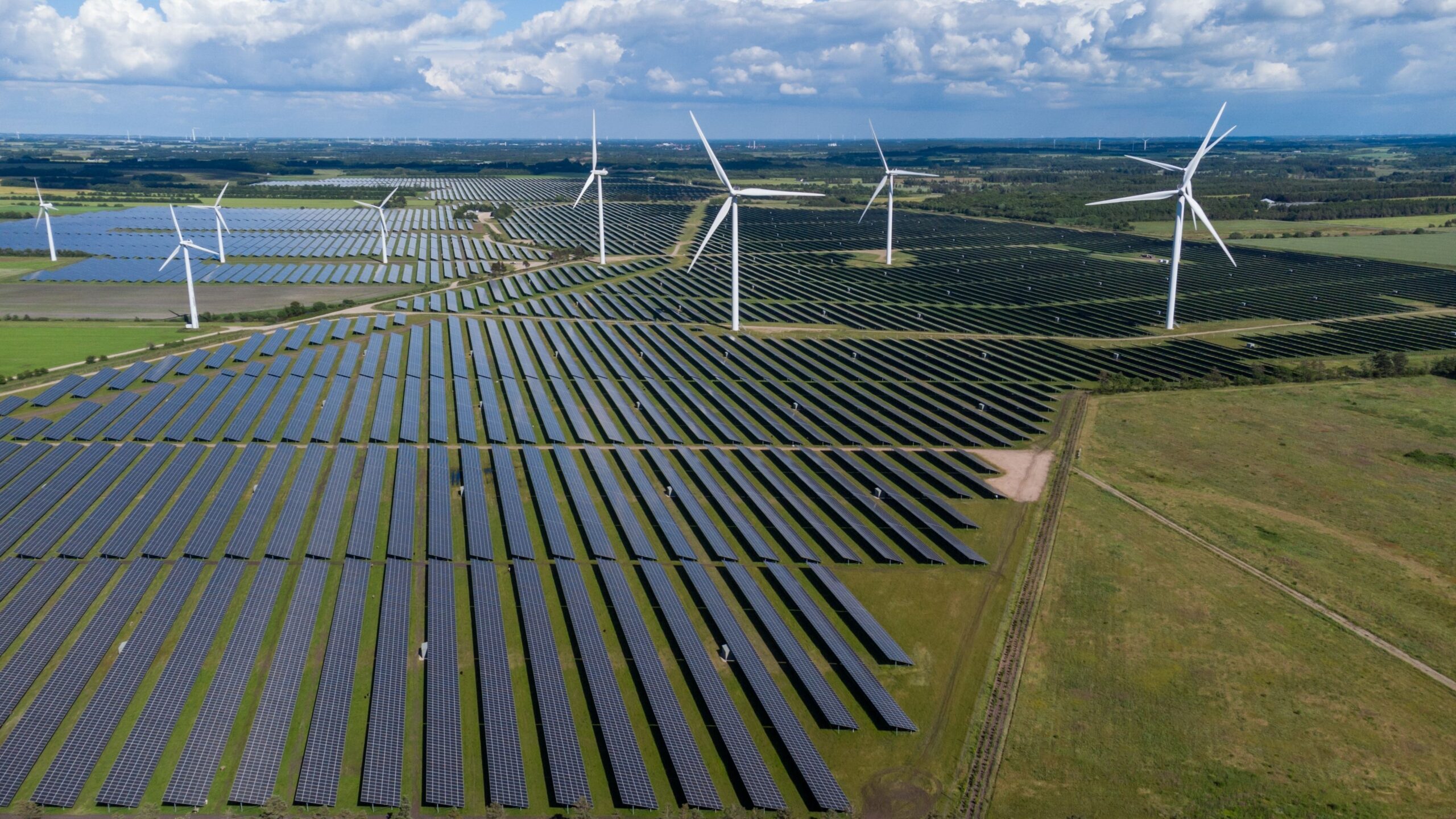
Renewables, batteries, grids, heat pumps, and electrification are no longer just climate tools. They are resilience tools. Fortune described the shift plainly, saying the Strait of Hormuz has made the clean energy transition “non-negotiable” because modern economies cannot keep relying on fuel that must pass through a military chokepoint (Fortune). The point is not that wind and solar solve every problem instantly. It is that they reduce exposure to oil and gas shocks Europe cannot control (Fortune).
Investors are paying attention to that shift. Fortune reported that global energy transition investment reached $2.3 trillion in 2025, with grid investment alone at $483 billion, suggesting that capital is already moving toward the infrastructure needed for a less brittle energy system (Fortune). Clean power is increasingly valued not only for its role in cutting emissions but also for its ability to keep economies running when fuel markets swing hard (Fortune).
The Strait of Hormuz crisis has made that reality plain. Europe can keep reacting to each new spike in fuel prices, or it can treat this moment as proof that its clean energy transition is no longer optional. The economics, geopolitics, and market signals are all pointing in the same direction.