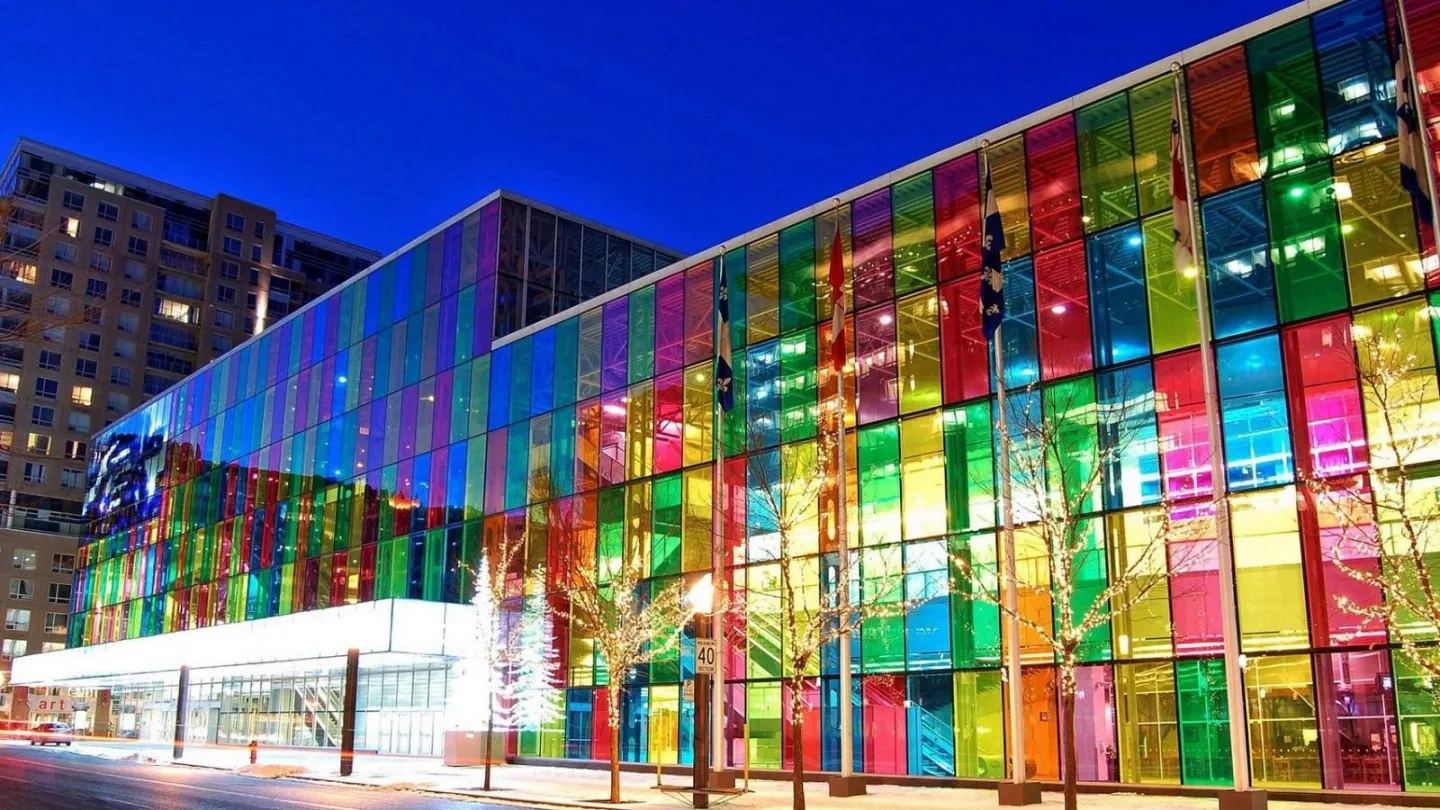
Solar panels usually come with a familiar visual: shiny blue rectangles soaking up sunlight on a roof, like a cat on a windowsill. But what if the next solar “panel” looked more like a tinted window — and its key ingredient started life as a bruised tomato?
That’s the promise behind AuREUS, a building material dreamed up by Filipino inventor Carvey Ehren Maigue. In 2020, it won the James Dyson Award’s sustainability prize for a concept that turns discarded fruits and vegetables into a material that can be attached to windows and walls to generate electricity. (The Guardian)
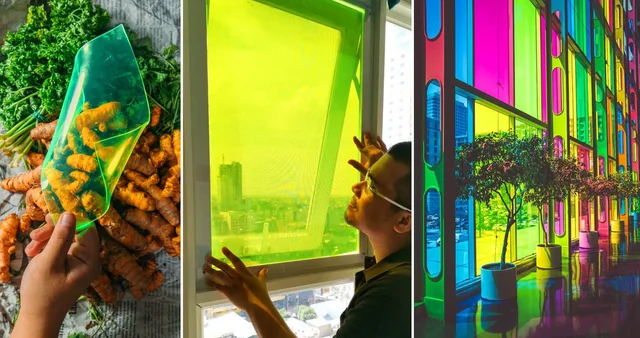
Here’s how it works:
Instead of relying solely on direct rooftop sun, AuREUS is designed to capture UV light — including UV that still makes it through clouds or bounces around cities off pavement and nearby buildings. The material absorbs that UV and then “shifts” it into a kind of light that small solar cells can use to make power. In other words, it tries to turn all that scattered daylight that hits the sides of buildings into something useful. (James Dyson Award project page)
The fun part is the ambition. The Dyson Award page pitches a world where buildings wrapped in AuREUS become “vertical solar farms” — not just roofs doing the work, but entire facades.
And there’s a second claim tucked into the idea: Maigue says glass-heavy cities can worsen outdoor UV exposure, and AuREUS aims to absorb some of that UV while producing energy.
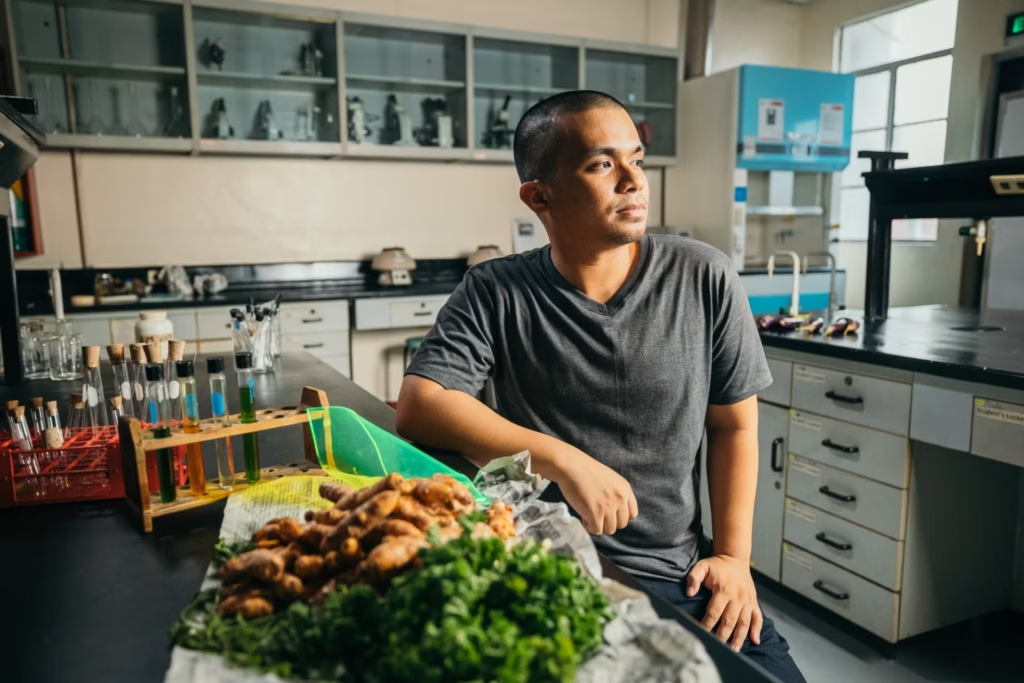
Instead of a moonshot that needs everything to go perfectly, AuREUS feels like the kind of idea that could earn its way into cities step by step. The practical questions—how long it lasts outdoors, how smoothly it can be manufactured, and how much power it can produce for the price—are exactly the kind engineers know how to tackle once a concept shows promise. And even if it doesn’t replace traditional rooftop solar, it could still play a valuable role in places where conventional panels struggle.
Less waste, more power, and more of the city’s surface area doing something productive — even if it starts with yesterday’s wilted produce.