Balcony solar is moving from a niche idea to a mainstream policy issue as states race to make plug-in systems legal for renters and homeowners who want cheaper power. The push is gaining momentum because lawmakers are hearing the same message from residents across the country: electricity bills are too high, and small solar systems could help ease the pressure.
Virginia recently became the third state to allow plug-and-play solar, joining Utah and Maine, according to Forbes. The law bars local governments from banning small residential systems as long as they meet size and safety limits, reflecting a broader shift in how states treat household-scale energy generation (Forbes). That is part of what makes balcony solar politically attractive. It does not require a full rooftop installation, a major contractor project, or the kind of utility paperwork that has long slowed down smaller clean-energy projects (Forbes).
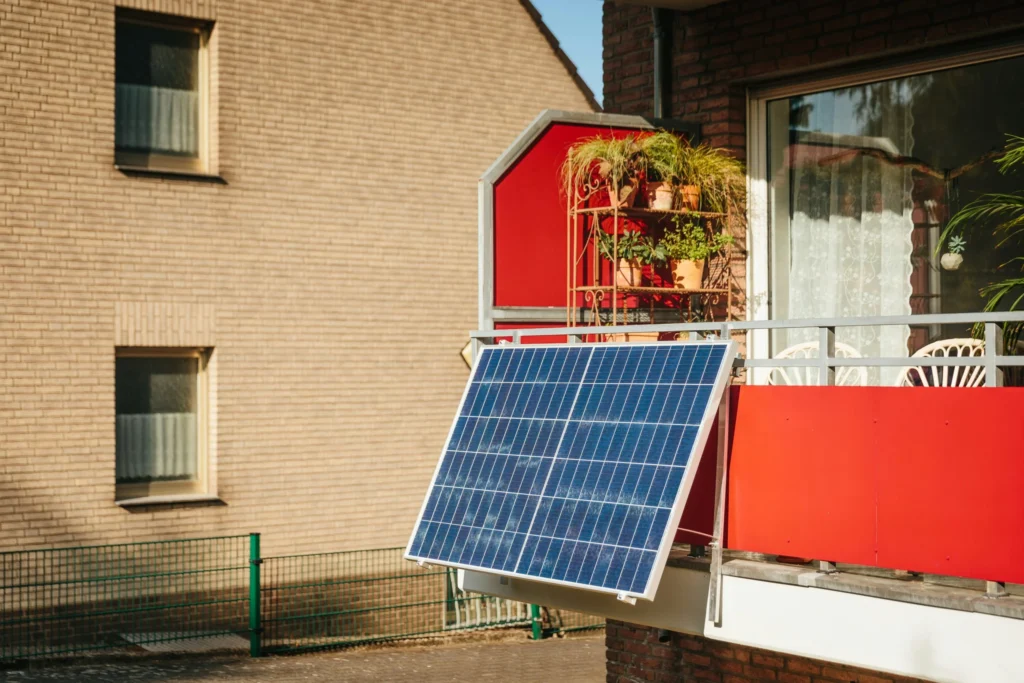
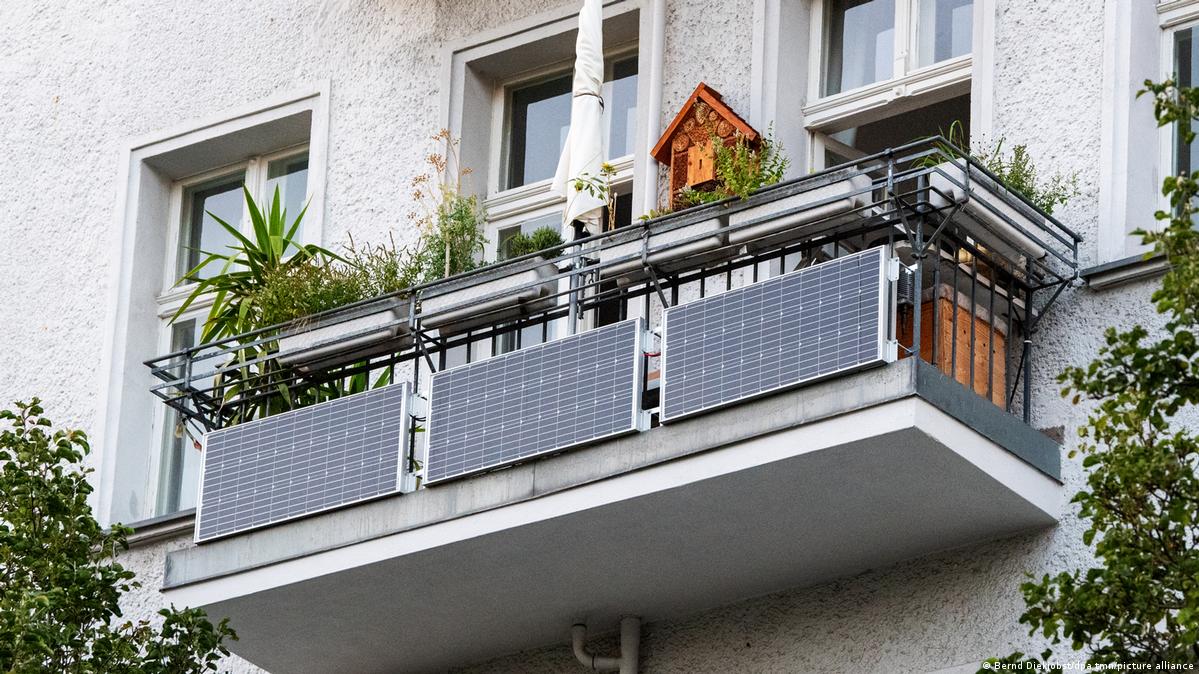
Canary Media reported that balcony solar has been “taking state legislatures by storm,” with lawmakers in many states now considering bills that would legalize the technology or make it easier to install (Canary Media). The appeal is straightforward. These systems can be mounted on a balcony, patio, or small outdoor space and plugged into a standard outlet, giving residents a way to offset some of their daytime electricity use without taking on a full solar project (Canary Media).
The policy debate has become inseparable from affordability. Several bills in circulation are explicitly framed around lowering costs for residents, especially renters and lower-income households that have been largely shut out of rooftop solar ownership. In states where electricity prices have climbed, balcony solar is being presented as a practical option rather than a symbolic one (Canary Media; Forbes).
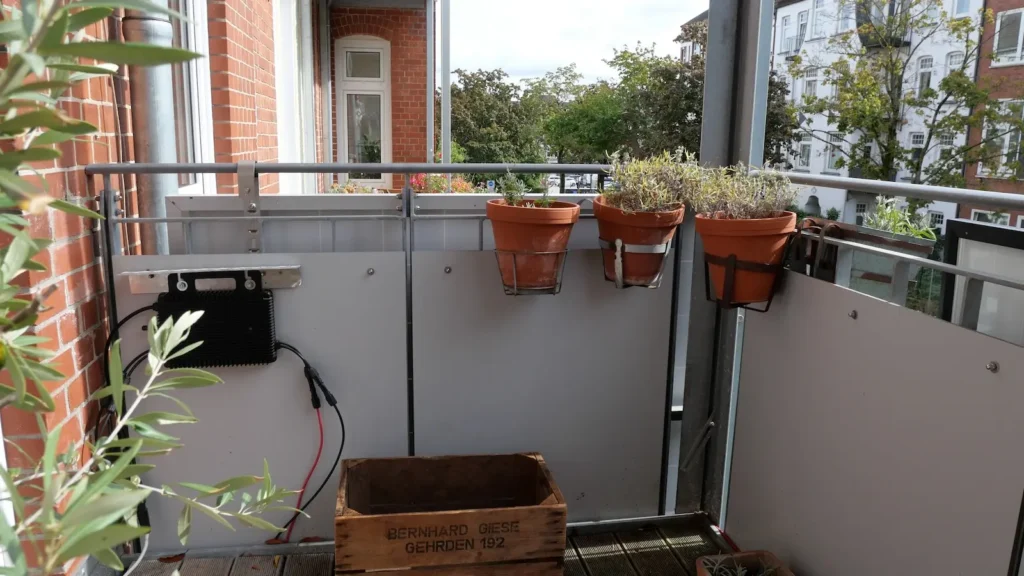
Balcony solar is not a complete answer to America’s energy affordability problem. But in a year when households are still looking for relief, it is becoming one of the most practical ideas on the table.