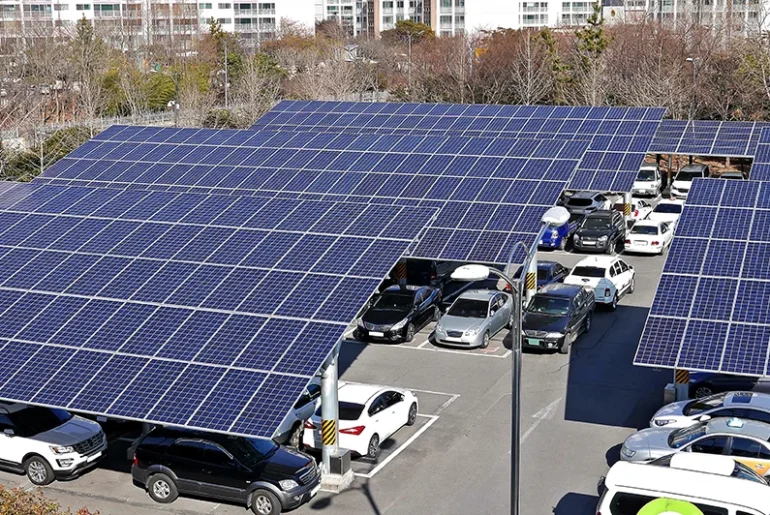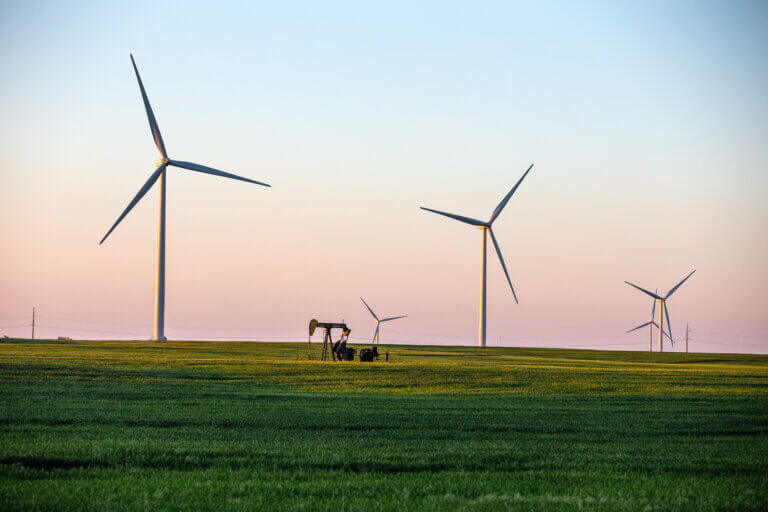
The clean energy transition is officially in high gear. With wind turbines spinning and solar panels soaking up the sun across the country, we are generating more renewable power than ever before. But there’s a catch: the sun eventually sets, and the wind doesn’t always blow. To truly modernize our power grid, we need a way to save that clean energy for when we need it most.
Enter Battery Energy Storage Systems, or BESS.
What is it?
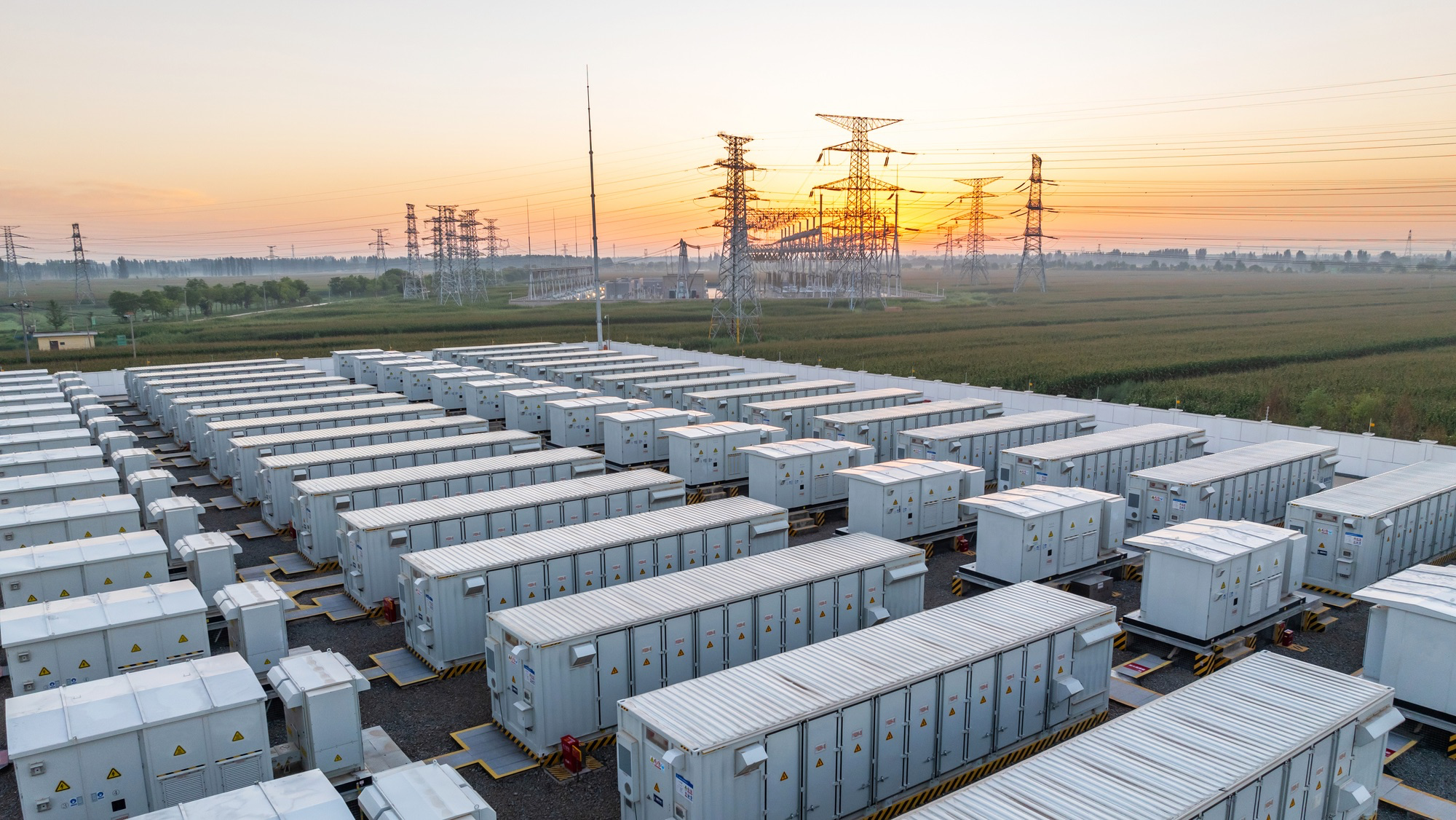
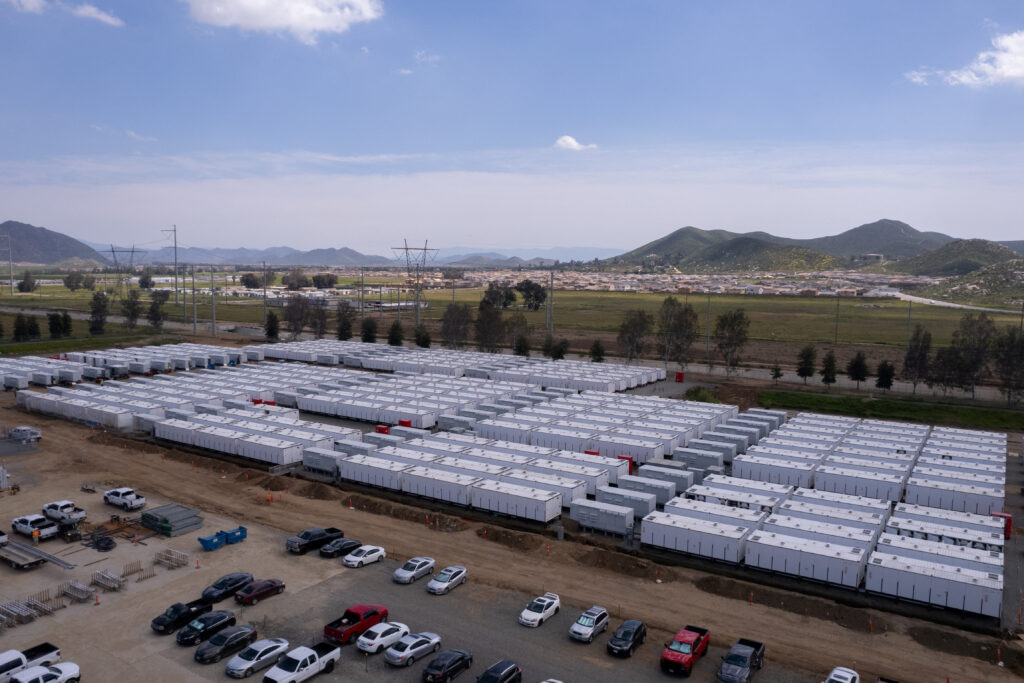
At its core, a grid-scale battery storage system is essentially a massive, industrial-grade version of the rechargeable battery inside your smartphone. Instead of powering a tiny screen, these systems are typically housed in large, climate-controlled containers and are capable of storing megawatts of electricity to balance the grid and power thousands of homes.
How does it work?
The process of storing and deploying grid-scale power comes down to three main steps:
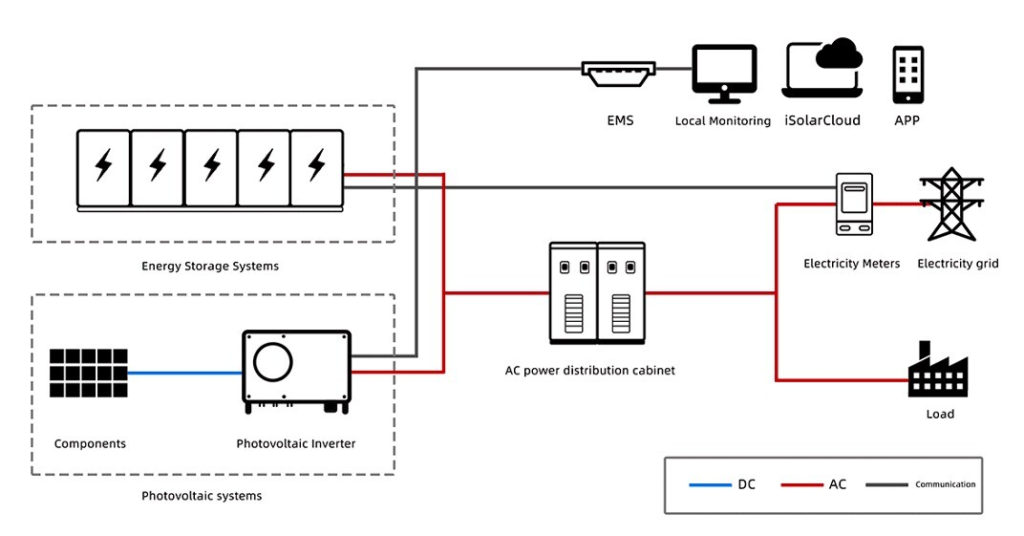
- Absorption: During the middle of the day, when solar panels are producing more electricity than the local grid currently needs, the battery acts like a sponge, absorbing that surplus energy rather than letting it go to waste.
- Conversion: Because the public power grid operates on Alternating Current (AC) and batteries store power as Direct Current (DC), powerful smart inverters are used to seamlessly translate the power back and forth.
- Intelligent Control: These facilities aren’t just idle boxes of batteries; they are highly advanced power hubs. An Energy Management System acts as the “brain,” constantly monitoring the grid’s frequency and instantly discharging electricity the second demand spikes.
Why is it needed, and what are the benefits?
The biggest benefit of BESS is that it solves the intermittency problem of renewable energy. By capturing excess power during off-peak hours and releasing it during evening rushes, batteries transform weather-dependent power into a reliable, 24/7 energy source.
Beyond keeping the lights on and preventing blackouts, battery storage is a massive money saver for the community. Because batteries can instantly inject power into the grid to balance supply and demand, utilities can avoid spending billions on building expensive, highly polluting fossil fuel “peaker plants” or laying down unnecessary transmission lines. By acting as a flexible buffer, a vast network of battery storage places downward pressure on utility prices, saving ratepayers money while maximizing the energy we already produce.
The bottom line? Battery storage isn’t just a backup plan; it’s the high-tech backbone of our future power grid.