Renewable energy sites are increasingly being designed with wildlife in mind, and in some cases, they are becoming useful habitat in their own right. What began as a push to cut carbon is now also producing surprising environmental benefits.
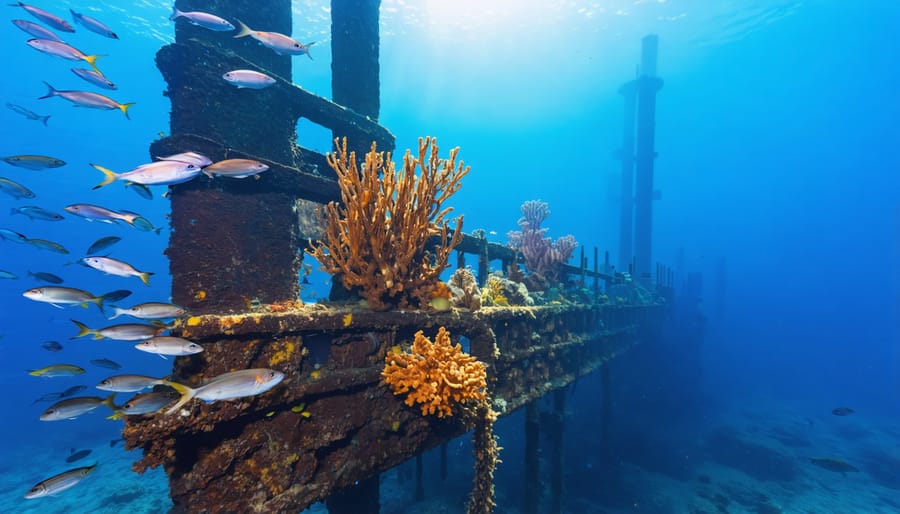
Offshore wind foundations can do more than hold turbines in place. In some projects, the underwater bases act as artificial reefs, attracting native fish and other marine life that use them for shelter and feeding. The hard surfaces create new habitat in areas that are often otherwise flat and exposed, turning parts of the seafloor into busy ecological zones.
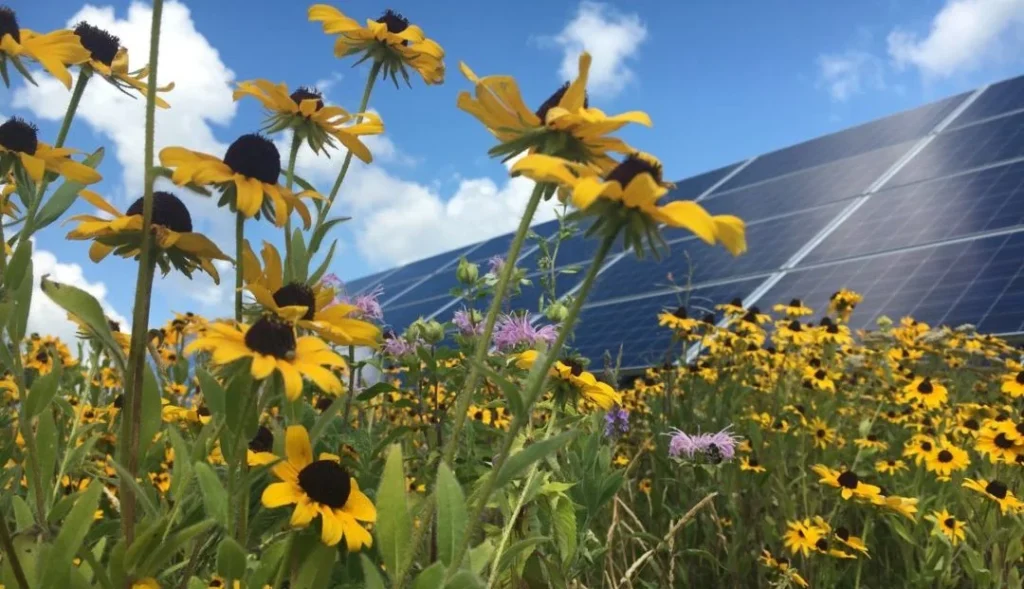
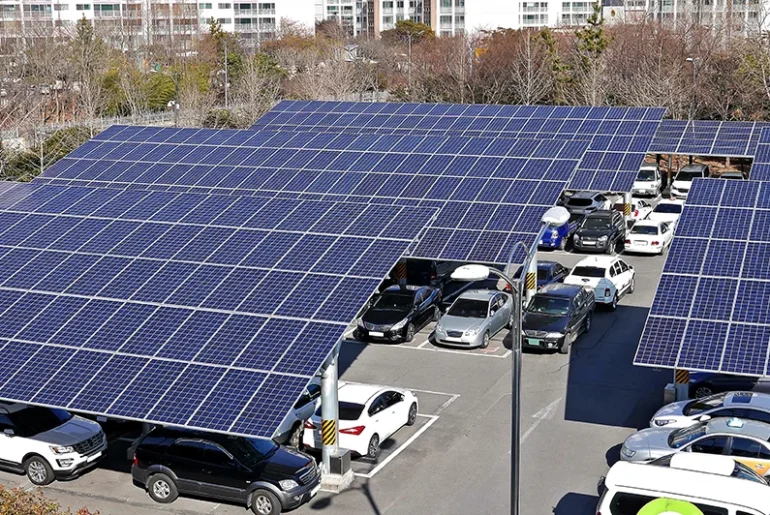
On land, solar farms are also taking on a second role. Native plants growing beneath and around solar panels can support bees, butterflies, and other pollinators that need steady forage through the season. Those same pollinators can move between the solar site and nearby farmland, helping nearby crops in the process.
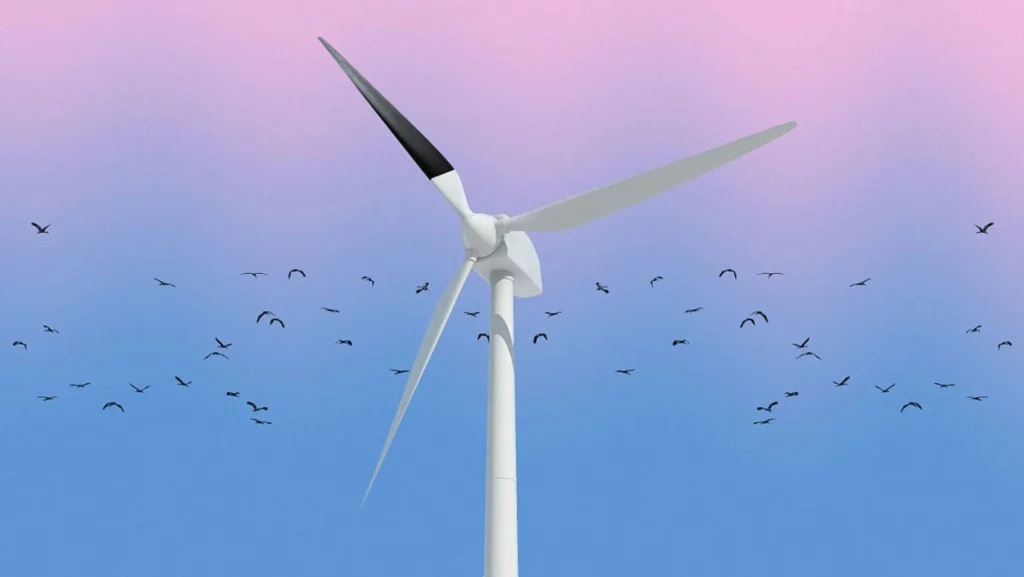
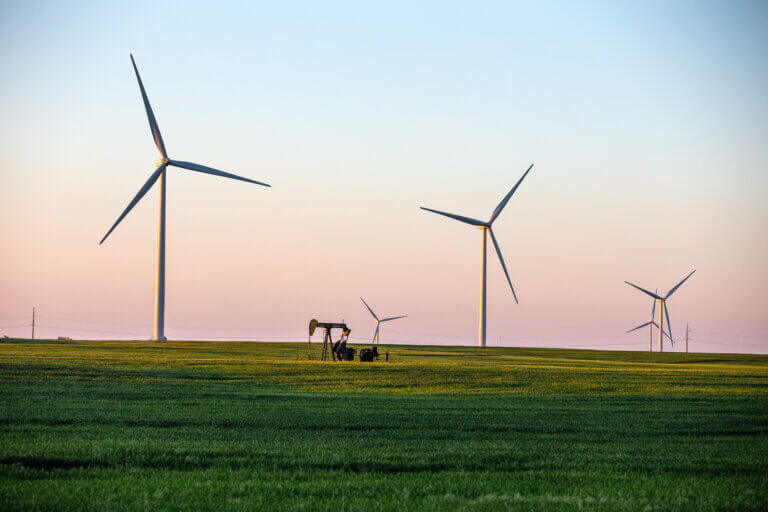
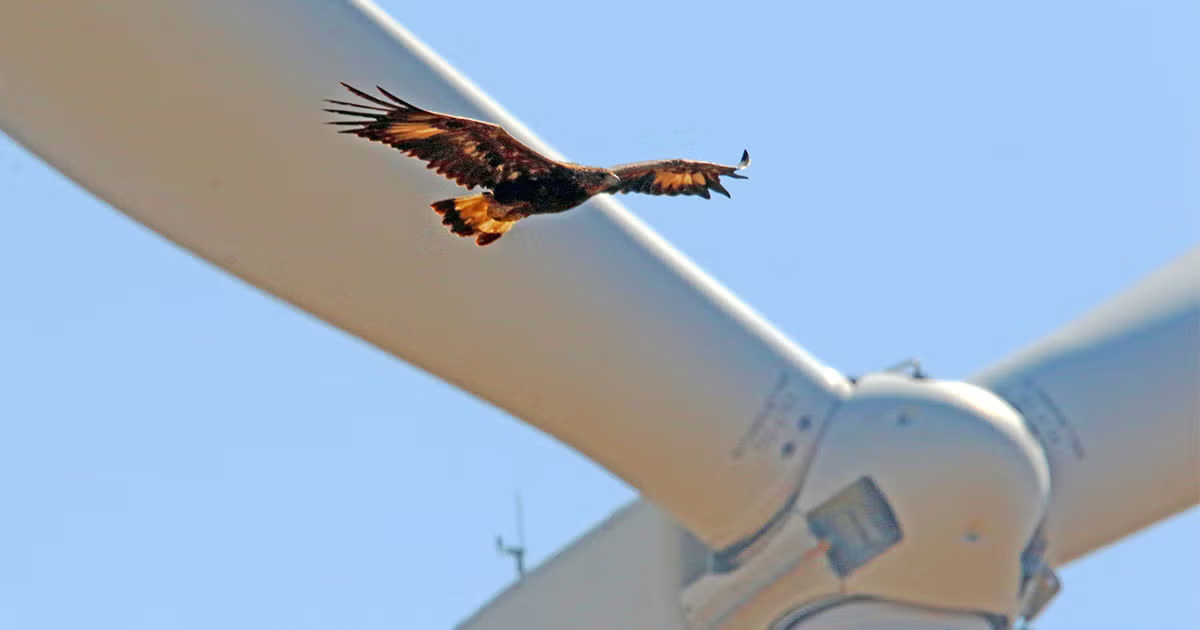
Wind farms are getting their own wildlife-friendly upgrades as well. Researchers have found that painting one blade of a turbine black can dramatically reduce bird collisions, with one study suggesting bird strikes could fall by as much as 70 percent (BBC). The logic is simple. A more visible blade gives birds a better chance to avoid the turbine in time.
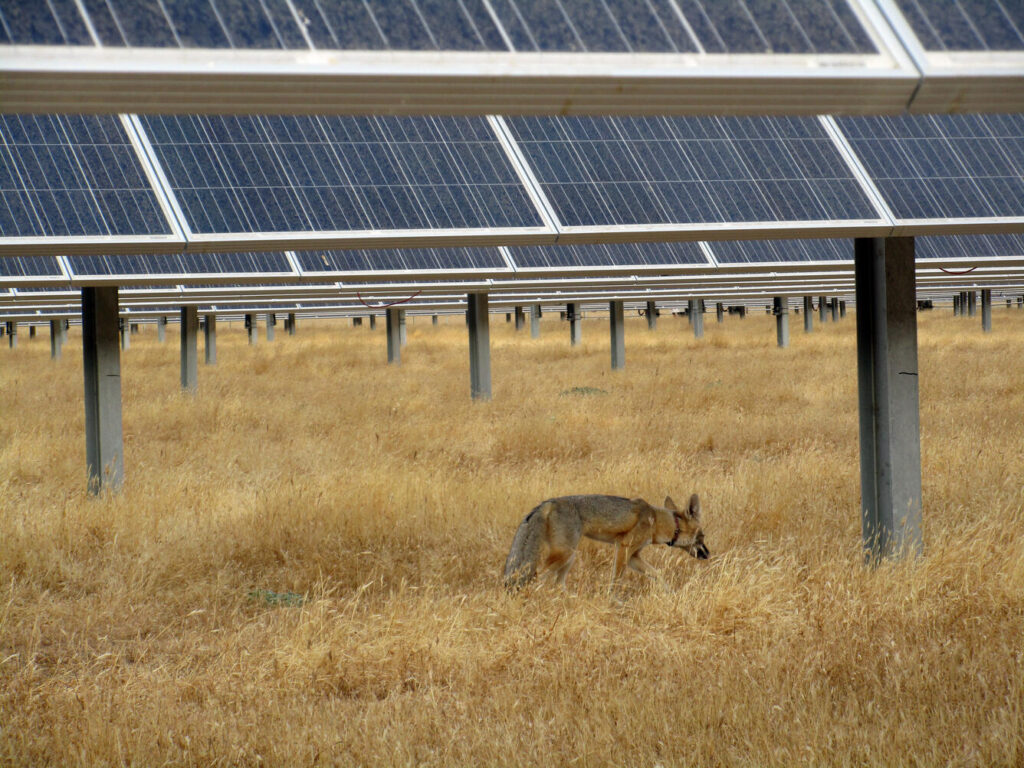
Foxes and other small mammals have been spotted using the cool shade beneath panels, especially during hot weather. In open and sun-baked areas, the panels can offer a rare patch of cover from heat and predators.
The bigger story is that clean energy sites do not have to be ecological dead zones. With the right design, they can support fish, insects, birds, and mammals while still producing power. That shift is changing the way many people think about renewable energy. Instead of choosing between climate goals and wildlife protection, planners are starting to show that the two can work together.