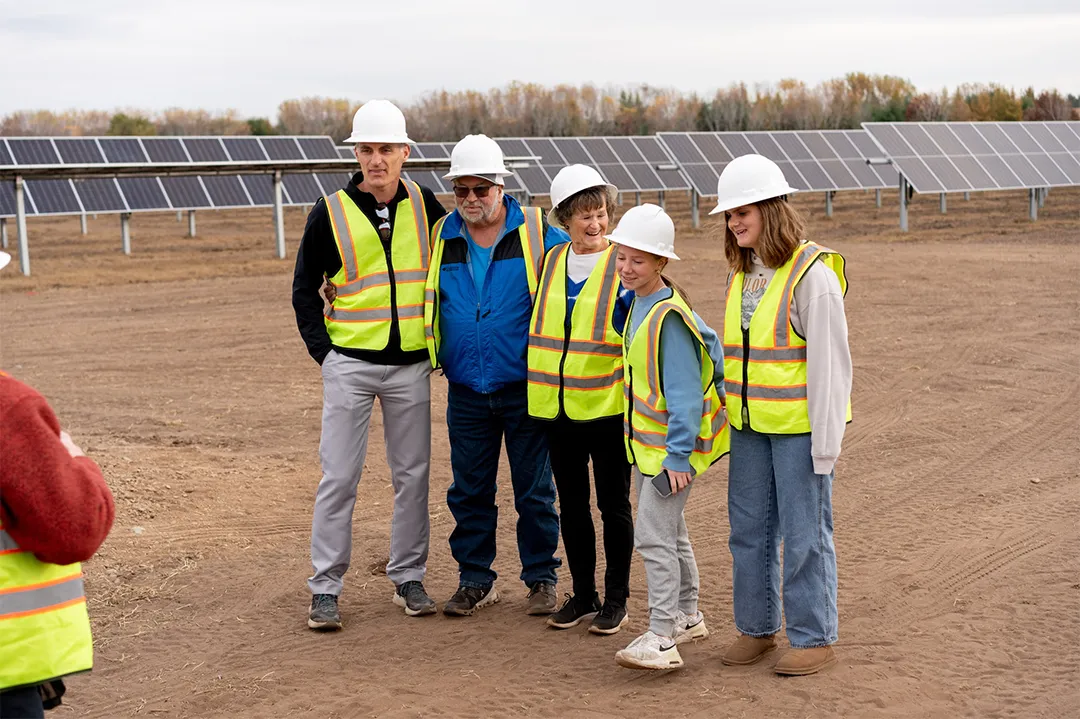
Most high school projects end with a poster board and a grade. In Chippewa Falls, Wisconsin, a student team is wrapping up its solar panel project.
At Chippewa Falls High School, three juniors — Ellie Crosby, Zoey Eckwright, and Chloe Johnson — are part of a “Green Team” course where students pick real-world energy projects and then go make them happen, with a teacher as advisor rather than director. As their teacher Nick Gagnon put it, it’s “not a hypothetical.” The students choose a “passion project,” and the work is built around results. (Resource Rural)
The results are stacking up. The students earned drone pilot licenses to use a thermal-imaging drone to find wasted heat, helped a local nonprofit camp with an energy audit, and won grants for energy-saving equipment at an elementary school — including smart power strips expected to save about $800 a year. (Resource Rural)
And then came the headline moment: solar for their own school.
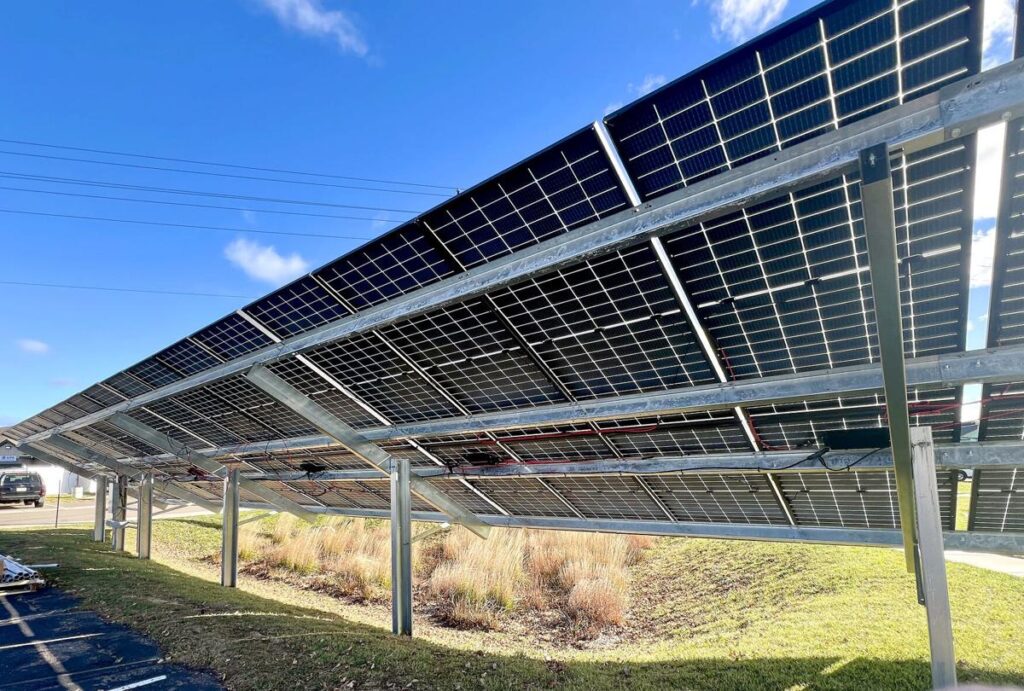
According to Resource Rural, the team began collaborating with Wisconsin SolarShare Cooperative and OneEnergy Renewables, which led to a donation of solar panels to Chippewa Falls High School. They also toured a nearby solar project in Hallie, Wisconsin — the kind of field trip that looks a lot like the clean-energy workforce pipeline in real time. (Resource Rural)
A separate report published by GovTech (via The Chippewa Herald) adds another detail: OneEnergy donated a 12-panel array that the students planned to install in front of the school, along with a display to show energy savings — part solar project, part public proof-of-concept for skeptical classmates and busy administrators. (GovTech)
This isn’t happening in a vacuum. Schools are massive energy users — and potential solar hosts. A Stanford-led analysis found that using viable space for solar could allow schools to meet up to 75% of their electricity needs and cut the education sector’s carbon footprint by up to 28%. (Stanford Doerr School of Sustainability)
And the policy backdrop is getting friendlier. The U.S. Department of Energy notes that “elective pay” (also called direct pay) lets many tax-exempt entities — including school districts — receive a payment equal to the value of certain clean-energy tax credits, even if they don’t owe federal income tax. That can turn “we’d love solar someday” into “we can budget this.” (U.S. Department of Energy fact sheet)
The punchline here isn’t just that teens care. It’s that they can navigate the paperwork, partnerships, and persuasion required to move clean energy from idea to installation — and bring their whole community along for the ride.