Heat pumps do work in the cold — and the benefits are making them many people’s first choice
Heat pumps aren’t a “Sun Belt only” appliance anymore. Cold-climate models can heat homes well below freezing, while avoiding the indoor fumes that come with burning gas or oil. Here’s what’s real, what’s old news, and what to do next.
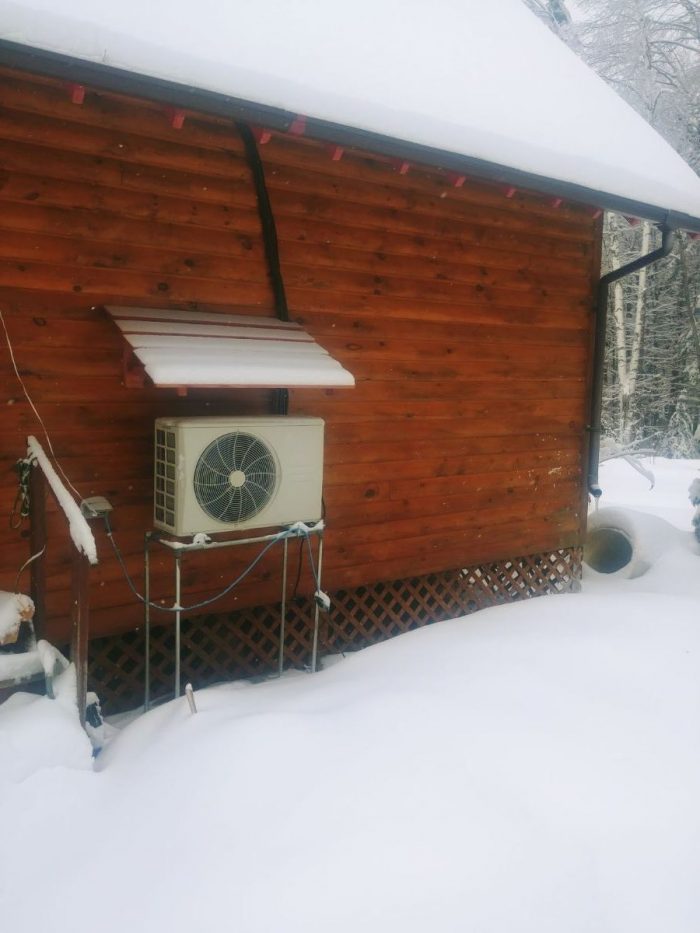
Winter Heat Pumps
Do cold climates use heat pumps?
The “heat pumps don’t work in winter” myth is getting harder to defend—because colder regions are adopting them anyway.
Earthjustice’s winter-ready explainer notes that some modern heat pump models can still provide heat down to -31°F. (Earthjustice) In Maine, the state set a goal of 100,000 heat pumps by 2025, announced it had surpassed that goal two years early (in 2023), and then raised its target. (Earthjustice) In Juneau, Alaska, about 1 in 7 homes now have a heat pump. (Earthjustice)
How heat pumps warm your home even in the cold
A heat pump doesn’t “create” heat by burning fuel. It uses electricity to move heat—the same basic physics as an air conditioner, but reversible. In summer, it pushes heat out; in winter, it pulls heat in. (Earthjustice)
That’s a big deal for two reasons:
- Health: Heat pumps “give off none of the unhealthy fumes of traditional furnaces,” because they don’t burn gas/oil/propane inside the home. (Earthjustice)
- Comfort: Earthjustice argues that heat pumps are better at maintaining a steady temperature than combustion systems that cycle hot/cold. (Earthjustice)
Cold-climate performance is real—but installation and building basics matter
The best winter outcomes aren’t just about the unit. They’re about the house (insulation, air sealing) and the install (sizing, placement, controls). That’s why the fastest-growing heat pump markets tend to pair consumer education with local installer networks.
A winter heat pump checklist (what we’d tell a neighbor)
If you’re curious (or skeptical), start here:
- Ask for “cold-climate” performance data (your installer should be able to show heating capacity at low temps, not just a generic model name).
- Weatherize first (or in parallel): Insulation + air sealing can be the difference between “love it” and “why is it running so much.” (Also: those upgrades may have separate incentive pathways locally, even when federal credits change.) (IRS)
- Plan for your backup heat strategy: Many homes use smart controls and/or supplemental heat for the coldest snaps. That’s normal—and it should be designed intentionally, not as an afterthought.
- Don’t assume federal tax credits still apply in 2026: The IRS is explicit that the Section 25C credit can be claimed for improvements through 12/31/2025. (IRS)
The “still available” money to look for now: HEAR rebates (state-run)
Even with the federal tax credit window closed, HEAR rebates are a major pathway—especially for low- and moderate-income households. ENERGY STAR describes HEAR as a point-of-sale discount for households with incomes below 150% of Area Median Income (AMI), with rebate levels depending on income band. (ENERGY STAR) DOE consumer guidance also summarizes potential savings (programs vary by state), including up to $8,000 for a heat pump and up to $14,000 across multiple electrification upgrades. (The Department of Energy’s Energy.gov)
Bottom line
Heat pumps are no longer a niche “mild winter” technology. They’re being adopted in places like Maine and Juneau because they can deliver reliable heat, improve indoor air, and modernize home comfort—even in the winter months.
If your furnace is aging—or your A/C is due for replacement—this is the moment to price a heat pump as your next HVAC system, then stack local/utility incentives and HEAR rebates where available. Start with a cold-climate installer consult and a basic weatherization plan.