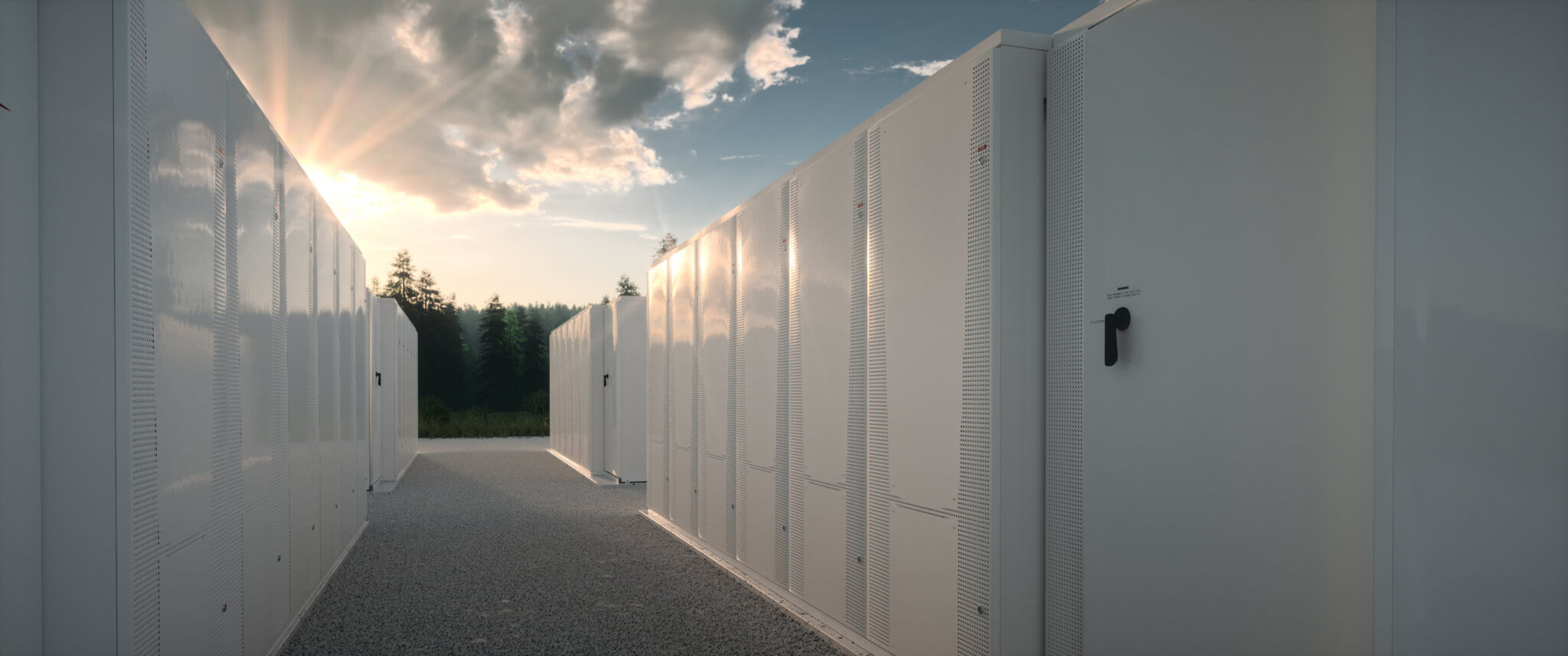
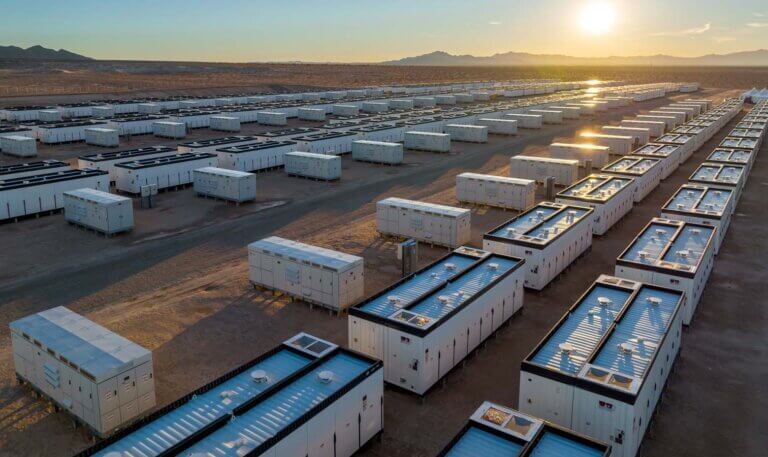
Many are talking about the massive boom in wind and solar power. But there’s a big question that comes with harvesting all that clean energy: How do we store it for when the sun goes down, or the wind stops blowing? The answer is utility-scale battery storage! But as these massive battery banks pop up, so do valid questions from communities about safety.
Here’s a quick rundown of the concerns—and more importantly, the next-level tech keeping our energy transition safe and secure.
The Concerns: What’s the Risk?
When you pack a ton of power into a small space, there are natural risks. The main worry surrounding Battery Energy Storage Systems (BESS) is something called “thermal runaway.” In very rare cases, a battery cell can overheat and trigger a chain reaction, leading to fires. When this happens, there are secondary concerns about the release of toxic gases and contaminated water runoff affecting the surrounding environment if a site is damaged.
The Solutions: How We’re Keeping It Cool
The clean energy sector isn’t messing around when it comes to safety. The industry is constantly innovating to ensure these storage facilities are resilient and secure. Here is the work going into new projects to keep them cool and safe:
- Upgraded Chemistry: While older battery tech had higher risks, today’s major storage projects predominantly use Lithium Iron Phosphate (LFP) batteries. LFP chemistry is way more stable, meaning a significantly lower probability of fires and much less energy released if a cell does actually fail.
- Smart Brains & Thermal Cooling: Modern systems are equipped with hyper-intelligent Battery Management Systems (BMS). This tech acts as the battery’s brain, constantly monitoring voltage and temperature. If things start getting too warm, the system relies on advanced thermal management and evolving safety standards to isolate the problem and cool the system down, stopping runaway in its tracks.
- Extreme Fire Testing: Before these units ever connect to a power grid, they undergo Large-Scale Fire Testing (LSFT). Engineers intentionally push these batteries to their absolute breaking point in worst-case scenarios to prove that if one module fails, the system can contain the heat and prevent the fire from spreading to neighboring cabinets.
- Next-Level Regulations: Government agencies and regulators are stepping up to the plate. The EPA and state utility commissions are enforcing strict new standards for unit spacing, advanced fire-suppression capabilities, and proactive emergency-response plans.
Storing massive amounts of power will always require serious care, but the battery industry is proving they are up to the challenge. With smarter chemistry, extreme testing, and proactive cooling tech, we can confidently store our clean energy and keep our communities safe.