Solar is showing up in places we never imagined. From parking lots to lakes, photovoltaic panels are spreading into spaces that once served only one purpose. In many of these spots, the combination of function and energy generation is quietly changing what clean power can look like in everyday life.
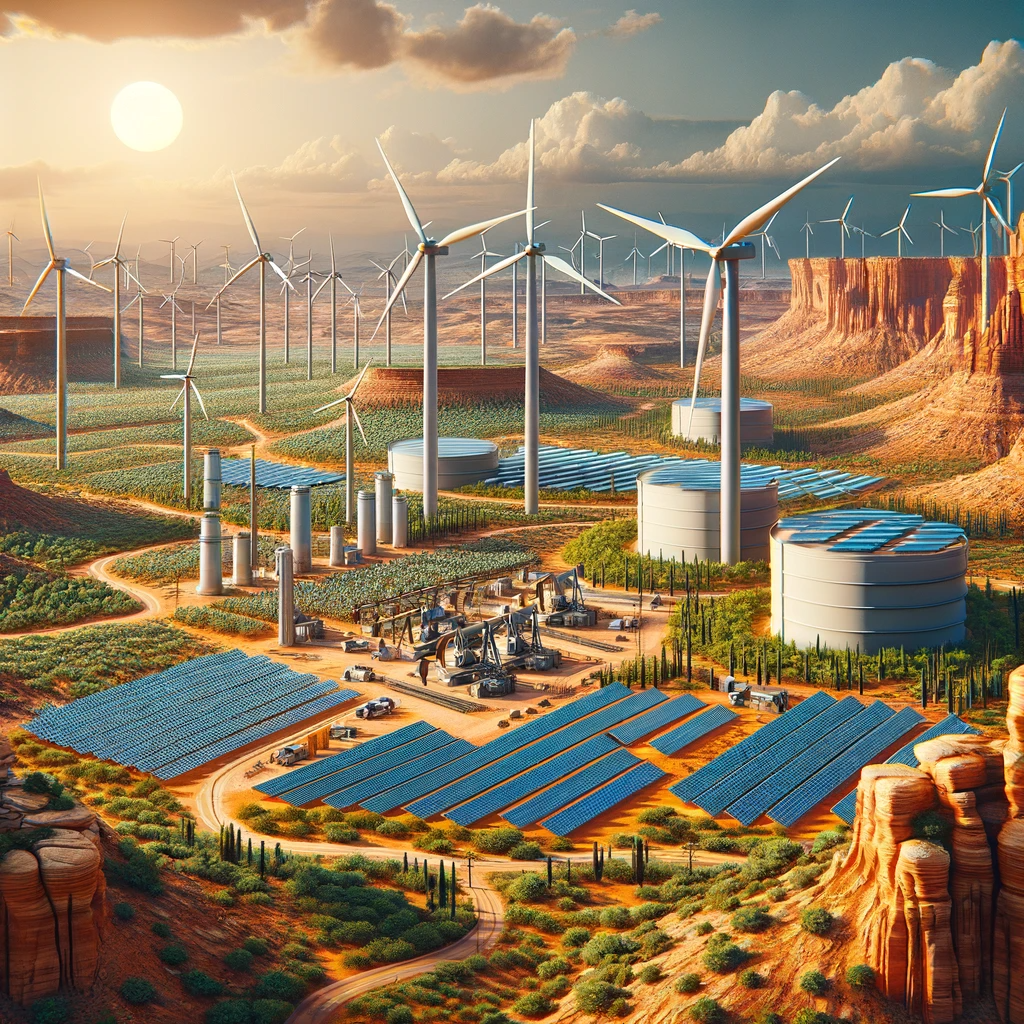
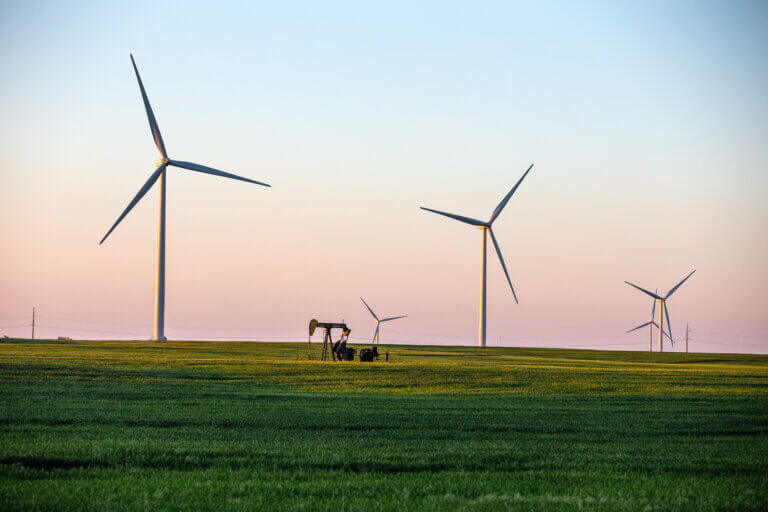
One of the most striking trends is solar sharing land with what some still call “dirty energy.” A Planet Reimagined feature has highlighted how solar can overlay existing infrastructure, including sites linked to fossil industries, to produce clean power without grabbing more undevelopable land. This approach treats land already altered by energy use as a starting point for decarbonization, rather than a barrier to it (Planet Reimagined).
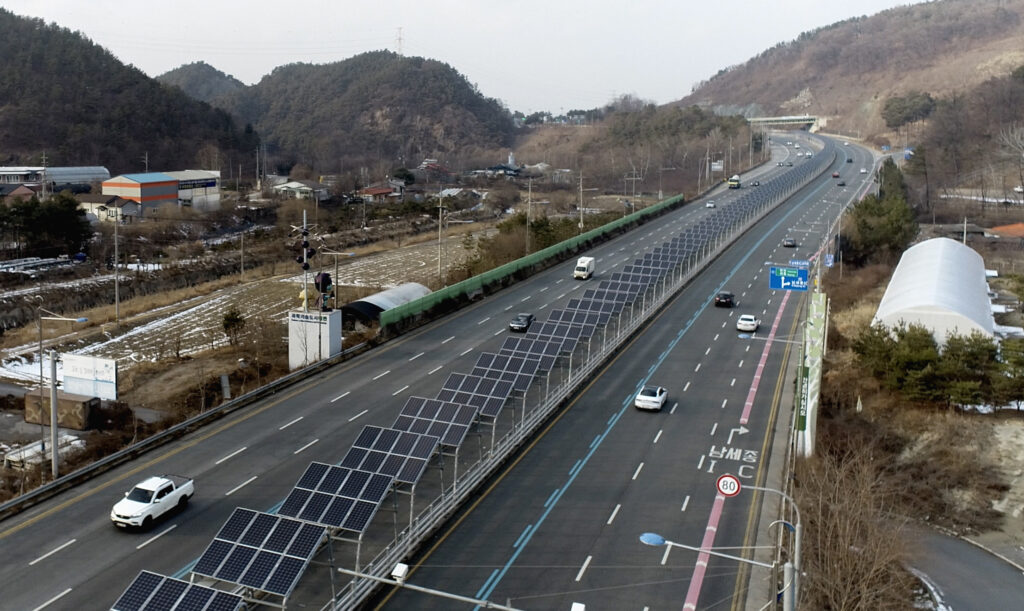
In South Korea, solar has rolled onto a very unexpected surface: a bike lane. A covered cycling highway between Daejeon and Sejong runs atop an eight‑lane road and is lined with solar panels that generate electricity for streetlights and nearby infrastructure. The lane not only shields cyclists from sun and rain but also turns a narrow strip of the highway into a small power plant.
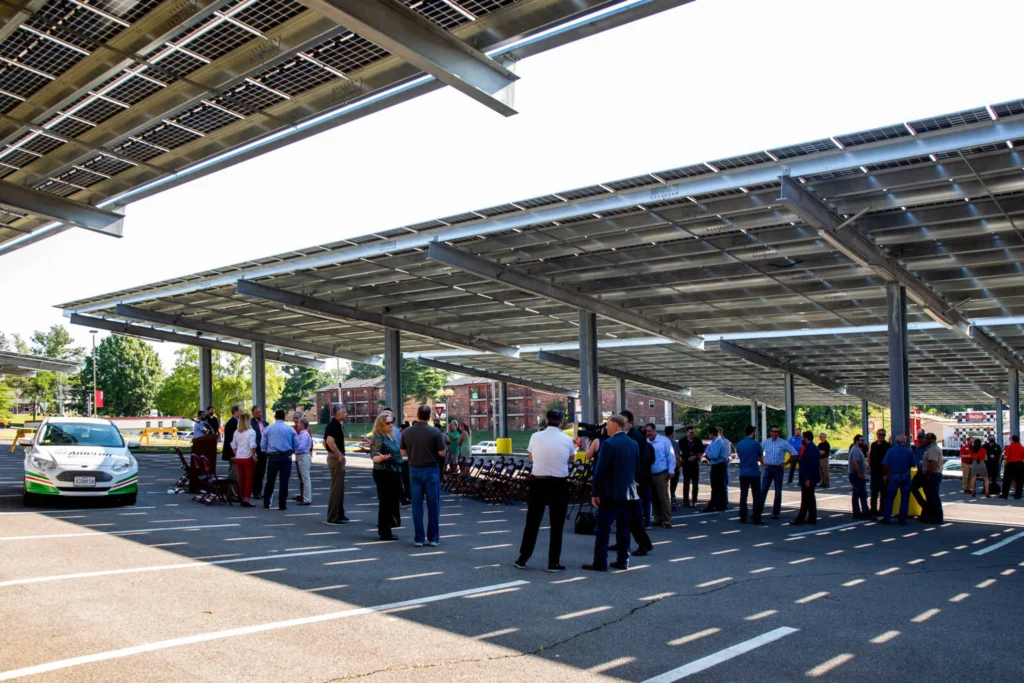
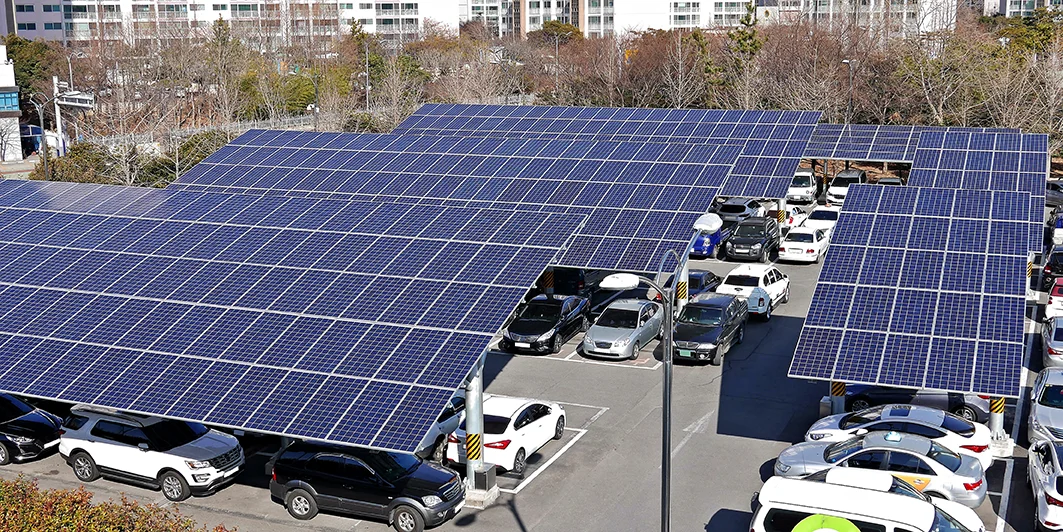
This Missouri university turned parking lots into energy sites for the school and the surrounding community. These installations highlight how universities can turn underused spaces into generators that offset building loads and reduce grid strain.
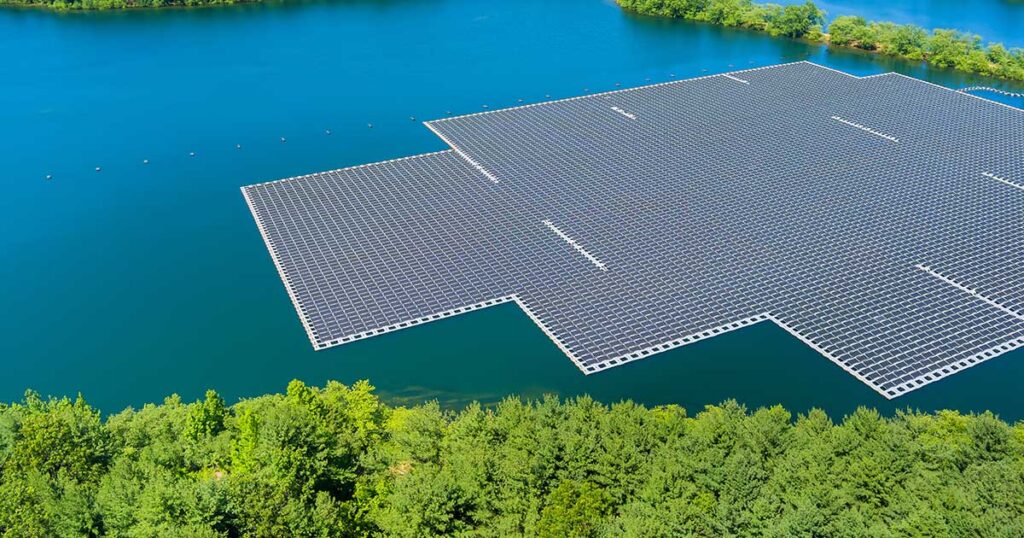
Solar is even moving onto water. Floating solar systems, or “floatovoltaics,” are now being deployed on lakes, reservoirs, and other bodies of water. These platforms allow energy companies to expand solar capacity without taking up more land while also benefiting from cooler water beneath, which can help panels run more efficiently (RWE).
As solar pops up in bike lanes, parking lots, water bodies, and even under the shadow of fossil infrastructure, the message is becoming clear. Clean energy does not have to wait for a perfect piece of land. It can fit into the spaces people already use, quietly adding power to the grid while making the most of what is already built.